Frequently Asked Questions
Coming in for imaging can bring up a lot of questions, especially if it is your first visit or you are not sure what to expect. This page covers some of the most common questions patients ask about radiology exams, referrals, insurance, results, and women’s imaging services at Bay Radiology. If you do not see your question here, our team is always happy to help you get the information you need before your appointment.
General Radiology Questions
Can I see a radiologist without a referral?
In most cases, imaging exams are ordered by your healthcare provider, so you will need a referral or imaging order before your appointment. This helps make sure you get the right test for your symptoms and that the results go back to the correct provider for follow-up care. If you are not sure whether you need a referral, our team can help you check before you schedule.
Can a radiologist diagnose my condition?
Radiologists are physicians who specialize in interpreting medical images. They carefully review your scans and send a detailed report to the provider who ordered your exam. Your referring provider uses that report, along with your symptoms and medical history, to explain the results and discuss next steps with you.
When should you see a radiologist?
You usually see a radiologist when your healthcare provider orders imaging to help with diagnosis, screening, or follow-up. This can include exams like X-rays, ultrasounds, DEXA scans, or mammograms. Imaging is often used to confirm a concern, monitor a condition, or catch problems early when treatment is most effective.
How do I know I’m choosing a good radiology center?
A good imaging center combines experienced, board-certified radiologists with modern equipment and clear communication. At Bay Radiology, all exams are read in-house by board-certified radiologists, including subspecialists in areas like breast and musculoskeletal imaging, which helps support accurate results and faster turnaround times.
Insurance, Scheduling, and Results
Does insurance pay for radiology exams?
Many imaging exams are covered by insurance when they are ordered by your provider, but coverage and out-of-pocket costs vary by plan and by exam. It is always a good idea to bring your insurance card and ask about coverage when you schedule or check in for your appointment.
How long do imaging test results take?
After your exam, a radiologist reviews your images and sends a report to the provider who ordered the study. Your provider will then contact you to discuss the results and any next steps. If you are unsure when you should expect to hear back, you can ask at check-in or call the office for guidance.
Can urgent care or another clinic refer me for imaging?
Yes, urgent care clinics and other healthcare providers can refer you for imaging if they believe it is needed. The referral tells the radiology team which exam to perform and why, so the right study is done for your situation.
Preparing for Your Imaging Exam
What should I ask before diagnostic imaging?
It is helpful to ask what exam you are having, why it was ordered, and whether there are any special preparation steps. Some tests require simple changes like avoiding metal in clothing or skipping certain supplements, while others need no special prep at all. If you are unsure, our team can explain what to expect before your visit.
What should I bring to my appointment?
Bring a photo ID, your insurance card, and your referral or imaging order if you have one. If you have had prior imaging at another facility, it is also helpful to know where and when those exams were done so they can be compared. You can always visit our page on preparing for your visit to learn more.
Women’s Imaging and Breast Health
Can I get a mammogram without a doctor’s referral?
In many cases, screening mammograms still require an order from your provider. This ensures the exam is appropriate for your age, history, and risk factors, and that results are sent to the right provider for follow-up. If you are unsure, the office can help you check what is needed before scheduling.
Can I get a breast ultrasound instead of a mammogram?
Breast ultrasound is often used as a follow-up to a mammogram or to take a closer look at a specific area. It does not usually replace a mammogram for routine screening, but it can provide helpful additional information in certain situations, especially for dense breast tissue.
Do dense breasts always need an ultrasound?
Not always. Some patients with dense breast tissue may benefit from additional imaging like automated breast ultrasound (ABUS), but the right approach depends on your individual risk factors and your provider’s recommendations. The goal is to match the imaging to your specific needs.
Is it better to get a 2D or 3D mammogram?
Both 2D and 3D mammography are effective screening tools. 3D mammography can provide more detailed images and may help reduce call-backs in some patients. Your provider or the imaging team can help recommend which option is most appropriate for you.
Specialized Imaging
What is a DEXA scan and why would I need one?
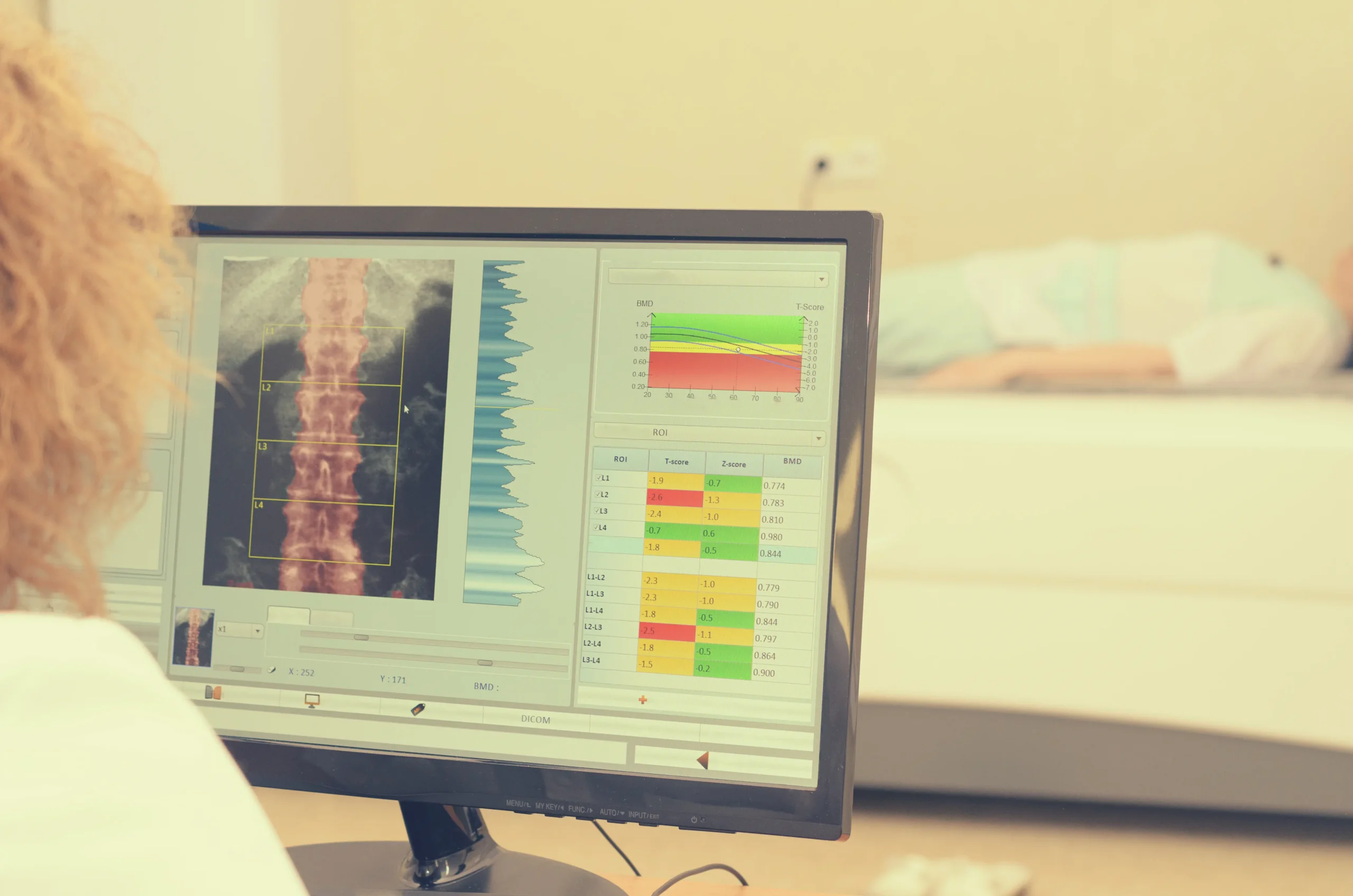
A DEXA scan is commonly used to measure bone density and can also be used for body composition analysis. It helps your provider understand bone health, body fat, and lean mass, and can be useful for tracking changes over time or managing certain medical conditions.
What happens if my imaging shows something abnormal?
If something unusual is seen on your imaging, the radiologist will include that information in the report sent to your provider. Your provider will then talk with you about what it means and whether follow-up imaging, additional tests, or procedures like a biopsy are recommended.