May 20, 2026
What Does Dense Breast Tissue Mean?
Dense breast tissue is common, but it can be confusing to hear about it for the first time after a mammogram. Many patients wonder if it means something is wrong, whether it increases cancer risk, or if they need additional screening.
The simple answer is this: dense breast tissue is not abnormal. It describes how breast tissue appears on a mammogram. However, it can affect how clearly certain findings are seen, which is why it is important to understand what it means and what questions to ask next.
What Is Dense Breast Tissue?
Breasts are made up of different types of tissue, including fatty tissue, glandular tissue, and fibrous tissue. When a breast has more glandular and fibrous tissue than fatty tissue, it may be described as dense.
You cannot tell if you have dense breast tissue by how your breasts look or feel. Breast density is determined through a mammogram and noted by the radiologist who reviews your Images.
Dense breast tissue is usually grouped into four general categories:
- Almost entirely fatty breast tissue
- Scattered areas of dense tissue
- Heterogeneously dense breast tissue
- Extremely dense breast tissue
Patients in the last two categories are typically considered to have dense breasts.
Why Does Breast Density Matter?
Dense breast tissue matters for two main reasons.
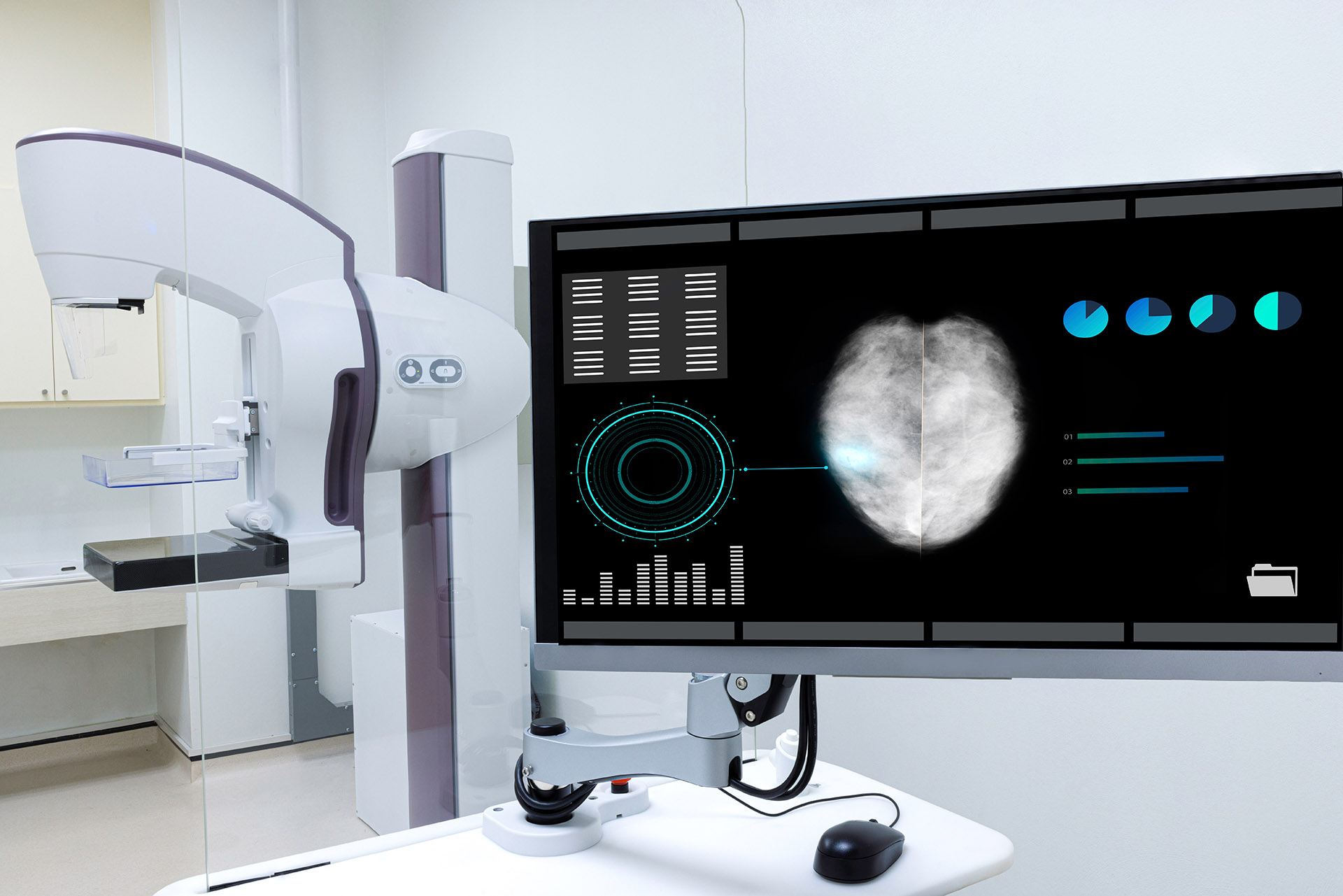
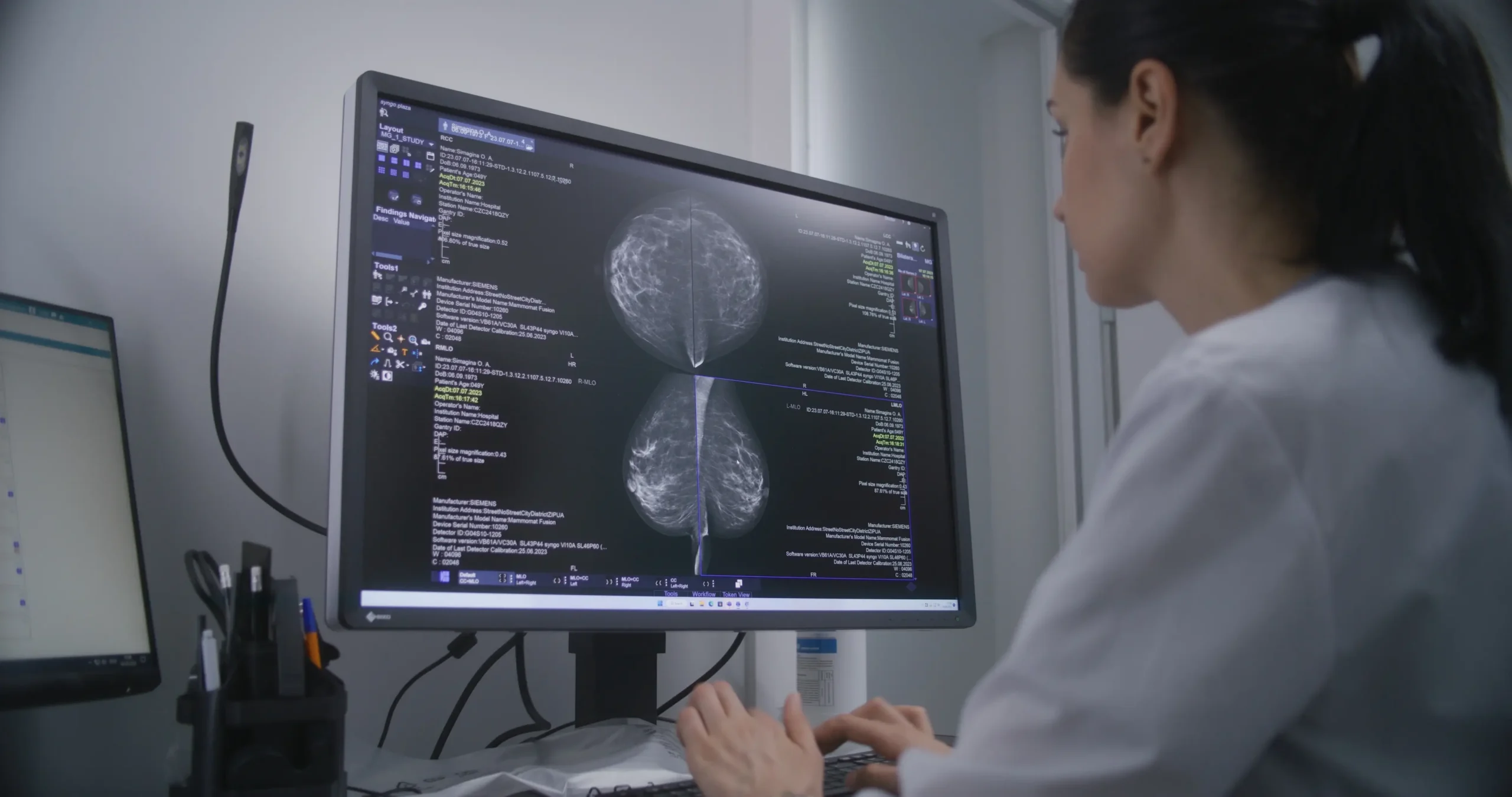
First, dense tissue can make mammograms harder to read. On a mammogram, dense tissue appears white. Some breast cancers can also appear white, which means dense tissue may hide subtle findings.
Second, dense breast tissue may be linked with a higher risk of breast cancer compared to breasts with more fatty tissue. That does not mean you will develop breast cancer. It simply means your provider may want to consider your breast density along with other risk factors, such as age, family history, prior biopsies, and personal health history.
Should I Worry About Dense Breast Tissue?
Dense breast tissue is not automatically a reason to panic. Many women have dense breasts, and it is a common finding.
What matters most is understanding what it means for your personal screening plan. Some patients may continue with routine mammograms. Others may benefit from additional Breast Imaging, especially if they have dense tissue plus other risk factors.
The best next step is to talk with your provider about what your mammogram report says and whether additional screening may be appropriate.
How Dense Breast Tissue Affects Mammograms
Mammograms remain an important screening tool, even for patients with dense breast tissue. They can detect many breast cancers early, often before symptoms appear.
However, dense tissue can make it more difficult to see small changes. This is why newer Breast Imaging technology can be helpful. The goal is not to replace the mammogram, but to give the radiologist more detail to review when dense tissue makes evaluation more challenging.
Breast Imaging Options for Dense Breast Tissue
Depending on your provider’s recommendation, your screening plan may include one or more advanced Breast Imaging options.
3D Mammography
3D mammography creates a layered view of breast tissue. Instead of looking at one flat image, the radiologist can review thin image slices, which may help reduce the issue of overlapping tissue.
For patients with dense breasts, this added detail may make small findings easier to evaluate.
ABUS for Dense Breast Tissue
ABUS stands for Automated Breast Ultrasound. It is a supplemental Breast Imaging tool often used for patients with dense breast tissue.
ABUS does not replace a mammogram. Instead, it can provide another layer of information by using ultrasound to look through breast tissue differently. This may be helpful when dense tissue makes mammogram images harder to interpret.
Contrast Mammography
Contrast mammography may be used when more information is needed. This type of mammogram uses contrast to help highlight areas of increased blood flow that may need a closer look.
For some patients, this can help provide more targeted information when standard screening or diagnostic Breast Imaging does not tell the full story.
Questions to Ask If You Have Dense Breasts
If your mammogram report says you have dense breast tissue, consider asking your provider:
- What category of breast density do I have?
- Does my breast density change my overall risk level?
- Should I consider additional Breast Imaging?
- Would 3D mammography, ABUS, or contrast mammography be helpful for me?
- How often should I be screened based on my personal history?
These questions can help turn a confusing report into a clearer conversation about your care.
Dense Breast Tissue and Bay Radiology’s Women’s Imaging Center
At Bay Radiology’s Women’s Imaging Center, Breast Imaging is approached with both advanced technology and patient support in mind. Dense breast tissue can make screening more complex, but the right tools can provide more detail and help your provider make more informed decisions.
If you have been told you have dense breast tissue, you are not alone. Our team is here to help make the process feel clearer, more comfortable, and easier to understand from the start.
Clearer Answers Start With the Right Information
Dense breast tissue is common, and it does not mean something is wrong. It does mean your provider may need to look at your full picture, including your mammogram results, risk factors, and whether additional Breast Imaging could be helpful.
Understanding your breast density is one more way to stay informed and take an active role in your health.
Related Articles