July 17, 2026
Does a Mammogram Hurt?
It is one of the most common questions women ask before scheduling a mammogram, especially if it is their first one. And it makes sense. The idea of having your breast compressed between two plates sounds uncomfortable at best, and the stories people share don’t always help.
The honest answer is that a mammogram involves brief compression that most patients describe as uncomfortable but manageable. Many women say afterward that it wasn’t nearly as bad as they expected. That doesn’t mean your concern is silly or dramatic. It means that the fear of the unknown is often worse than the reality, and understanding what actually happens can make a real difference in how you feel walking in.
What Does a Mammogram Actually Feel Like?
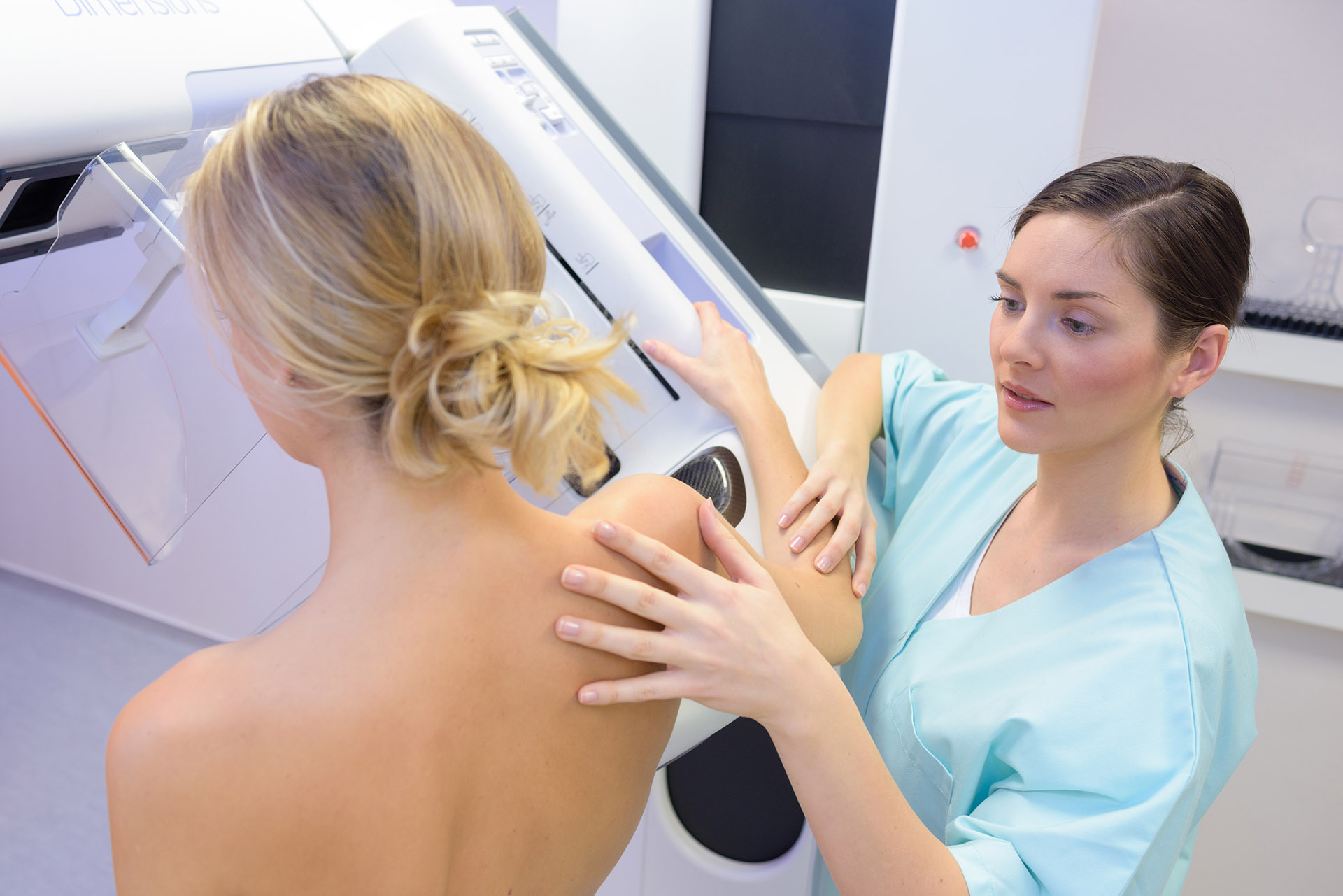
During a mammogram, you stand in front of a specialized X-ray machine. A radiologist positions your breast on a flat surface, and a clear plate presses down from above to gently flatten the tissue. This compression is held for only a few seconds while the image is captured, and then it releases.
The process is repeated a few times to capture images of each breast from different angles. The entire exam typically takes about 15 minutes from start to finish, but the actual compression totals less than a minute across all images.
What you feel during those few seconds varies. Some women describe it as firm pressure. Others say it feels like a tight squeeze that borders on uncomfortable. A smaller number of women do experience something closer to pain, but it is brief and manageable for the vast majority of patients.
“One of the most common misconceptions about a mammogram is that it’s terribly painful,” says Dr. Lindsey Weintritt Davis, Board Certified Radiologist and Breast Imaging specialist at Bay Radiology in Panama City, FL. “There’s some compression. There’s some discomfort. But it’s for seconds, not minutes, not a long time. It’s very quick. And certainly the benefits outweigh any minor discomfort that lasts a couple of seconds.”
Why Does a Mammogram Require Compression?
The compression is not arbitrary. It serves a critical purpose in helping your radiologist see what matters most.
When breast tissue is compressed, it spreads out evenly so that overlapping structures don’t hide small abnormalities. This allows radiologists to detect abnormalities as small as 1 to 2 millimeters, which is exactly the stage at which breast cancer is most treatable.
Compression also reduces the amount of radiation needed for a clear image. Less thickness means less radiation exposure, so the pressure actually makes the exam both more accurate and safer.
When you think of it that way, those few seconds of discomfort are doing something powerful: giving your radiologist the clearest possible view of your breast health.
Does Breast Size or Density Affect How It Feels?
Every person’s experience is a little different, and a few factors can influence how a mammogram feels for you specifically.
Breast size: Women with very small breasts sometimes feel more discomfort because there is less tissue to cushion against the compression plate. Women with larger breasts may feel more general pressure. Neither experience is abnormal.
Breast density: Dense breast tissue is firmer, which can make compression feel more noticeable. If you have been told you have dense breast tissue, you are not imagining that it feels different. This is also why supplemental screening options like ABUS (Automated Breast Ultrasound) exist: to provide additional imaging detail in tissue that is naturally harder to see through on mammography alone
Hormonal timing: Breasts are often more tender in the days leading up to your period or during your period due to hormonal fluctuations. Scheduling your mammogram for the week or two after your period ends can make a noticeable difference in comfort.
First Mammogram vs. Follow-Up: Does It Get Easier?
For many women, yes. The first mammogram tends to feel more uncomfortable simply because you don’t know what to expect. Your body may tense up, which can make the compression feel more intense than it actually is.
By the second or third mammogram, most patients feel significantly more at ease. They know what is coming, they know it only lasts a few seconds, and they know they got through it before without any real issue.
If your first mammogram was more uncomfortable than you expected, that does not mean every mammogram will feel the same way. A different time of the month, a different technologist, or simply being less anxious can change the experience.
What If I Have Chronic Pain or a Disability?
If you live with chronic pain, fibromyalgia, a physical disability, or any condition that makes standing, positioning, or pressure more difficult, your concern is completely valid. You deserve screening that works with your body, not against it.
Before your appointment, let the Imaging center know about your specific needs. Technologists can often adjust positioning, allow extra time, and communicate with you throughout the exam so nothing feels rushed or unexpected. At Bay Radiology, our team works directly with patients to ensure the exam is as comfortable as possible given individual circumstances.
A mammogram should never be something you avoid because you feel your needs will not be accommodated. Speaking up is always encouraged.
How Newer Technology Makes It Better
Not all mammography equipment is the same, and newer machines are specifically designed to reduce discomfort while improving image quality.
Bay Radiology’s Women’s Imaging Center uses the GE Senographe Pristina, one of the most advanced mammography systems available today. It was designed with patient comfort as a priority, using ergonomic positioning and technology that captures detailed 3D images in less time. Less time under compression means less total discomfort.
With 3D Mammography (also called tomosynthesis), the machine captures layered images of the breast rather than one flat picture. This not only improves detection, especially in dense breast tissue, but also reduces the likelihood of being called back for additional imaging. Fewer callbacks mean fewer repeat visits, less waiting, and less anxiety overall.
Dr. Weintritt Davis also points out that patients are often tougher than they give themselves credit for. When you understand that the compression is capturing something meaningful, something that could catch a cancer before you ever feel a lump, it reframes those few seconds from “something to dread” to “something worth doing.”
Tips to Make Your Mammogram More Comfortable
A few simple steps can help your experience feel easier:
- Schedule after your period. Your breasts are usually least tender in the week or two following your period.
- Communicate with your technologist. Let them know if you are nervous, if you have had discomfort before, or if you need them to go slower. They do this every day and genuinely want you to be comfortable.
- Breathe through it. Each compression lasts only a few seconds. A slow breath in and out can help your body stay relaxed rather than tensing against the pressure.
- Take a mild pain reliever. An over-the-counter option like ibuprofen about an hour before your appointment can help if you tend to be sensitive. Check with your doctor first if you are on other medications.
- Wear comfortable clothing. You will need to undress from the waist up, so a two-piece outfit makes things easier and less awkward than a dress.
- Remind yourself it is brief. Total compression time across all images is less than a minute. The anticipation is almost always longer than the actual exam.
What Happens After the Exam?
Some women feel mild tenderness for a few hours after a mammogram. This is normal and usually resolves on its own. A supportive, comfortable bra and avoiding strenuous upper body activity for the rest of the day can help if you are feeling sore.
Once your mammogram is complete, the images are interpreted by a Board Certified, Fellowship Trained radiologist right here at Bay Radiology. Your results are sent directly to the doctor who ordered your exam. If anything needs a closer look, our team is here to guide you through next steps clearly and without unnecessary alarm.
Why It’s Worth It
A mammogram takes about 15 minutes. The compression itself totals less than 60 seconds across all images. For most patients, it is a brief moment of discomfort that provides something far more valuable: peace of mind, early detection, and a clear picture of your breast health.
Breast cancer found early, before it has spread, has a survival rate above 99 percent. That is what those few seconds of compression are protecting.
If you have been putting off your mammogram because you are worried it will hurt, your feelings are understandable. But most patients leave saying it was not as bad as they thought. And every single one leaves knowing they did something important for their health.
Ready to schedule your mammogram?
Contact Bay Radiology’s Women’s Imaging Center in Panama City, FL, or talk to your doctor about a referral. Our team is here to make your experience as comfortable and straightforward as possible.
Related Articles